
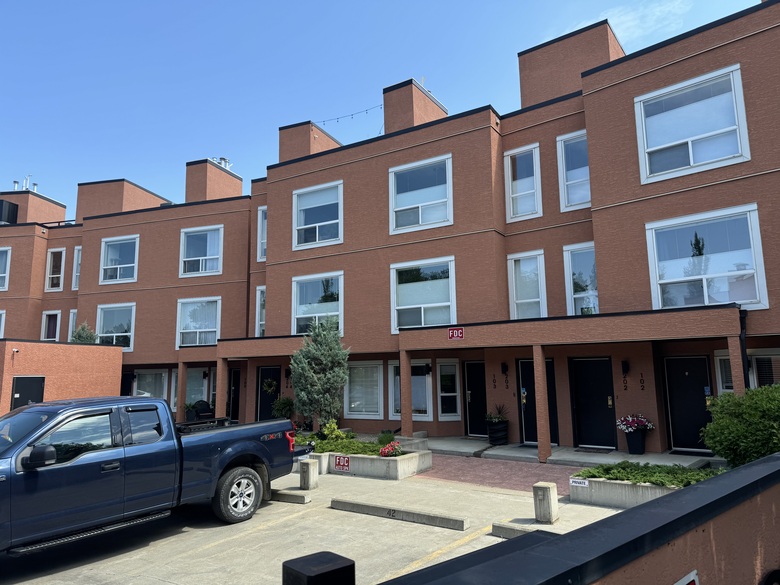
Building Management Company Services: What Should Property Owners Expect?
· helm_property
Owning a commercial or multi-unit building involves more than collecting rent and keeping the property occupied. Owners also need to monitor maintenance, manage operating costs, communicate with tenants, coordinate contractors, and keep building records organized. As a property becomes larger or more complex, these responsibilities can take substantial time.
A professional building management company can take responsibility for many of these day-to-day duties. Building management typically brings operations, financial administration, maintenance, and tenant communication into an organized system.
For building owners, commercial property owners, and investors, understanding what management services include makes it easier to determine which responsibilities should be handled internally and which can be assigned to a professional management team.
What Does Building Management Cover?
Building management involves the ongoing administration and operation of a property. The exact responsibilities depend on the type of building, its size, the number of occupants, and the owner’s management agreement.
A professional manager may coordinate daily operations while keeping the owner informed about significant issues, expenses, maintenance requirements, and tenant matters.
Daily Property Operations
Daily operations can include many small tasks that need regular attention. A management team may monitor service requests, coordinate contractors, maintain records, and ensure that routine property activities are completed.
Typical operational duties include:
- Monitoring common areas
- Coordinating service providers
- Managing tenant requests
- Tracking maintenance work
- Scheduling inspections
- Maintaining property records
- Coordinating access for contractors
- Communicating operational updates to owners
Consistent administration helps prevent routine tasks from being missed and gives owners a central point of contact for property matters.
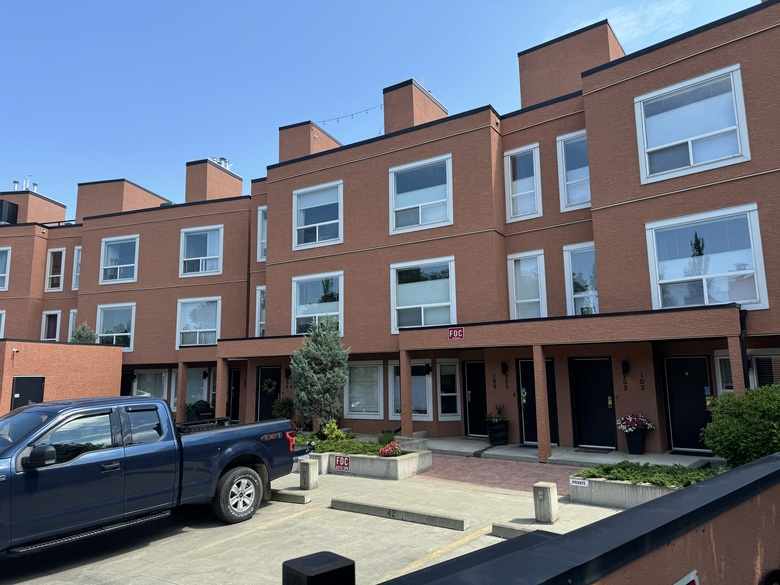
Financial Oversight Requires Accurate Records
Financial administration is a major part of building property management. Property owners need clear information about rental income, operating expenses, maintenance costs, invoices, and other financial activity.
A management company can organize this information and provide reports that help owners understand how the property is performing financially.
Managing Income and Expenses
Financial responsibilities may include:
- Collecting rent or other approved property charges
- Recording payments
- Tracking operating expenses
- Processing invoices
- Preparing financial statements
- Monitoring outstanding balances
- Supporting annual budgeting
- Maintaining financial records
Financial reports can help owners review recurring expenses and identify areas that require closer attention.
| Financial Area | Typical Management Responsibility |
|---|---|
| Rent Collection | Record and monitor tenant payments |
| Expense Tracking | Organize property operating costs |
| Invoice Processing | Coordinate approved vendor payments |
| Budgeting | Prepare income and expense information |
| Financial Reporting | Provide periodic owner statements |
| Record Keeping | Maintain organized financial documents |
Clear financial records are also useful when owners review investment performance or plan future capital expenditures.
Property Maintenance Protects Building Condition
Property maintenance is an ongoing responsibility for any building owner. Mechanical systems, common areas, exterior elements, plumbing, electrical systems, and other components require attention throughout the year.
A management company can coordinate maintenance requests and arrange qualified service providers for repairs and scheduled work.
Routine Maintenance and Repairs
Property maintenance may include:
- Plumbing repairs
- Electrical service
- HVAC maintenance
- Exterior upkeep
- Landscaping
- Common-area cleaning
- Lighting repairs
- Parking area maintenance
- Waste management
- Preventive inspections
Maintenance records should identify the work completed, associated costs, and any recommended follow-up.
Preventive Maintenance Planning
Preventive maintenance focuses on identifying potential problems before they become major repairs. Regular inspections and scheduled servicing can help owners understand the condition of important building systems.
A management team may create maintenance schedules for recurring tasks and coordinate contractors according to the property’s requirements.
Tenant Relations Need Consistent Communication
Tenants often need a clear contact for questions, maintenance requests, access arrangements, notices, and other property-related concerns. A management company can provide that point of contact.
Good tenant communication should be clear, timely, and properly documented.
Handling Tenant Requests
Tenant-related responsibilities may include:
- Receiving maintenance requests
- Responding to general property questions
- Communicating scheduled repairs
- Coordinating access
- Sending approved notices
- Managing service requests
- Recording tenant correspondence
For commercial properties, tenant relationships may involve additional coordination because businesses depend on reliable building access, services, and operating conditions.
Commercial Building Management Has Additional Considerations
Commercial properties can involve multiple tenants with different operating schedules and requirements. A management team may need to coordinate access, contractors, common areas, service schedules, and building rules around those operations.
Commercial building management can also involve lease administration, vendor coordination, safety-related maintenance, and regular communication with business occupants.
Coordinating Shared Building Areas
Shared spaces need regular attention because several tenants may rely on them. Depending on the property, these areas can include:
- Lobbies
- Hallways
- Elevators
- Parking areas
- Loading zones
- Washrooms
- Exterior grounds
- Shared facilities
Management teams can schedule cleaning, maintenance, inspections, and repairs for these areas while keeping owners informed about significant work.
Building Management Services Can Bring Tasks Together
Owners often look for building management services when they need help coordinating several areas of property operations. Instead of handling contractors, tenants, maintenance records, and financial administration separately, owners can work with a management team responsible for coordinating these functions.
Vendor and Contractor Coordination
Buildings often depend on several external service providers. A management company can coordinate scheduling and communication with contractors while tracking the status of work.
Vendor coordination may involve:
- Identifying the required service.
- Contacting an appropriate provider.
- Scheduling the work.
- Arranging property access.
- Confirming completion.
- Recording the service and cost.
- Reporting significant expenses to the owner.
This process can reduce the administrative work required from the property owner.
Facility Management Supports the Physical Property
Facility management focuses on keeping building systems and physical spaces functional. It overlaps with property maintenance but can cover a broader range of operational responsibilities.
Depending on the building, facility management may involve building systems, common areas, security arrangements, cleaning, waste services, and other support functions.
Common Facility Responsibilities
| Facility Area | Examples of Management Tasks |
|---|---|
| HVAC | Scheduled servicing and repair coordination |
| Lighting | Inspection and replacement |
| Cleaning | Scheduling and service monitoring |
| Security | Coordination of approved security services |
| Waste | Collection and disposal arrangements |
| Grounds | Landscaping and seasonal upkeep |
| Common Areas | Repairs, cleaning, and inspections |
The exact services required depend on the property’s physical structure and tenant needs.
Inspections Help Owners Track Property Condition
Regular inspections give owners and managers information about building conditions. They can help identify maintenance requirements and provide documentation for future planning.
Inspections may cover common areas, exterior elements, mechanical spaces, parking areas, and other parts of the property.
What Property Inspections Can Identify
A management team may look for:
- Signs of water damage
- Damaged fixtures
- Lighting problems
- Exterior deterioration
- Landscaping concerns
- Safety-related maintenance issues
- Equipment problems
- Areas requiring cleaning or repair
Inspection findings can be prioritized based on urgency, potential cost, and impact on building operations.
Documentation Makes Property Management Easier
Property management generates a significant amount of information. Maintenance requests, invoices, inspection reports, tenant correspondence, vendor agreements, and financial statements should be organized and accessible.
Good documentation allows owners to review what work has been completed and what remains outstanding.
Records Owners May Expect
A management company may maintain:
- Tenant records
- Lease information
- Maintenance reports
- Inspection records
- Vendor contracts
- Invoices
- Financial statements
- Service histories
- Property correspondence
Accurate records also support better communication between owners, tenants, contractors, and management staff.
Emergency Maintenance Needs a Defined Process
Some property issues cannot wait for normal business hours. Water leaks, heating failures, electrical problems, severe weather damage, or other urgent issues may require immediate attention.
A management agreement should explain how emergency requests are received and who has authority to arrange urgent work.
Typical Emergency Response Steps
A management team may:
- Receive and assess the reported issue
- Contact the appropriate contractor
- Coordinate property access
- Notify the owner when necessary
- Monitor the repair
- Record the incident and associated costs
Having a defined procedure helps reduce confusion during urgent situations.
What Should Owners Review Before Hiring a Manager?
Not every property requires the same level of management. Owners should review the scope of services before signing an agreement and understand exactly what the management company will handle.
Important questions include:
- What operational tasks are included?
- How are maintenance requests handled?
- How are tenants contacted?
- What financial reports are provided?
- How are contractors selected?
- Is emergency maintenance available?
- How frequently are inspections performed?
- What fees apply to management and additional services?
- Which expenses require owner approval?
- How often will the owner receive updates?
Clear terms help both parties understand their responsibilities and avoid confusion later.
Conclusion
A building management company can take on many of the recurring responsibilities involved in operating a commercial or multi-unit property. Financial administration, tenant relations, maintenance coordination, inspections, facility operations, and vendor management all require organized processes.
For building owners and investors, professional management can reduce the amount of routine administration they need to handle personally while keeping them informed about their property’s condition and financial activity. Helm Property Management & Realty Ltd can provide building management support based on the services and responsibilities established in an owner’s management agreement.
FAQs
What does a building management company do?
A building management company can handle day-to-day property operations, tenant communication, financial administration, maintenance coordination, inspections, vendor management, and facility-related tasks.
What is included in building property management?
Building property management may include rent administration, tenant relations, maintenance, financial reporting, inspections, contractor coordination, record keeping, and general property operations.
How does commercial building management differ from residential management?
Commercial buildings may have multiple business tenants with different operating schedules, access requirements, lease terms, and service needs. Management may therefore involve additional coordination around shared spaces, contractors, building services, and tenant operations.
Why is property maintenance important for building owners?
Regular property maintenance helps keep building systems and physical spaces functional. Preventive maintenance can also help identify problems early and provide owners with better information for repair and replacement planning.
Does Helm Property Management & Realty Ltd provide building management services?
Helm Property Management & Realty Ltd provides property management services for property owners and investors. The specific building management services available depend on the property and the management agreement established with the owner.

Leave a Reply